Climate Zones
of Spain
Spain holds one of Europe's most varied climate landscapes — from semi-arid southeastern plains to the rain-soaked Atlantic coast and the snow-capped Pyrenees. Understanding each zone helps in planning travel, agriculture, and daily life across the peninsula.

Regional Breakdown
Three Major Climate Systems
Spain's climate divides into broad zones shaped by latitude, proximity to the Atlantic and Mediterranean, and altitude. Each region behaves differently across the four seasons.

Mediterranean
Coastal and Southern Spain
Hot, dry summers and mild, wet winters characterise the Mediterranean coast from Catalonia to Andalusia. July temperatures regularly exceed 30°C inland, while the coast stays moderated by sea breezes.
Read article →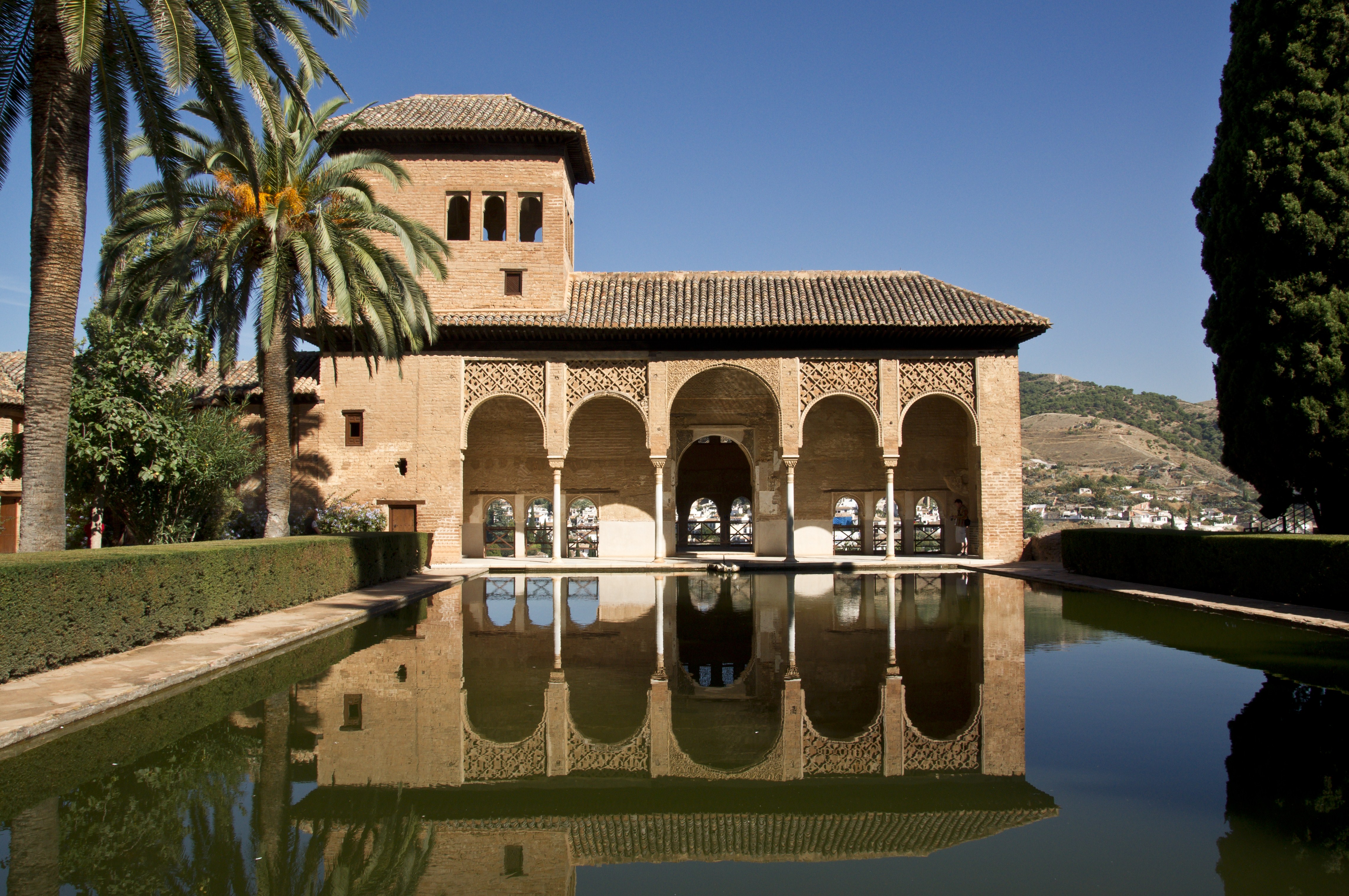
Continental
The Meseta and Interior Plains
Central Spain's high plateau experiences extreme temperature swings — freezing winters below -5°C and scorching summers above 38°C. Madrid sits at 667 m elevation, amplifying these contrasts significantly.
Read article →
Atlantic / Oceanic
Green Spain: The Northern Coast
Galicia, Asturias, Cantabria, and the Basque Country receive steady Atlantic rainfall year-round. Temperatures stay mild without sharp extremes, and lush green landscapes result from persistent moisture.
Read article →At a Glance
Seasonal Temperature Overview
Representative average temperature ranges across Spain's main climate zones by season. Values in Celsius, based on long-term climate averages from AEMET and climate-data.org.
| Region | Winter (Dec–Feb) | Spring (Mar–May) | Summer (Jun–Aug) | Autumn (Sep–Nov) | Annual Rain (mm) |
|---|---|---|---|---|---|
| Mediterranean Coast | 8–15°C | 13–22°C | 24–33°C | 16–26°C | 400–600 |
| Central Meseta (Madrid) | 2–9°C | 9–18°C | 22–33°C | 12–22°C | 430–500 |
| Atlantic North (Bilbao) | 7–13°C | 11–17°C | 17–24°C | 13–20°C | 1,100–1,600 |
| Andalusia Interior | 5–15°C | 13–24°C | 26–38°C | 17–28°C | 500–700 |
| Balearic Islands | 9–15°C | 14–20°C | 24–30°C | 17–25°C | 350–450 |
| Canary Islands | 17–22°C | 18–23°C | 22–28°C | 20–26°C | 150–250 |
Sources: AEMET and Climate-Data.org. Values represent typical ranges, not absolute records.
Special Zones
Additional Climate Variations
Beyond the three main zones, several sub-regions and geographic features create distinct microclimates across Spain.
Semi-Arid Southeast
The province of Almería and parts of Murcia represent the driest areas in continental Europe. Annual rainfall can fall below 200 mm in the Tabernas region — classified as a true desert. Summers are long and intensely hot, while winters remain dry and mild.
Almería city averages under 230 mm of annual rainfall, making it the driest provincial capital in Spain.
Mountain and Highland Climates
The Pyrenees, Sierra Nevada, and Picos de Europa introduce alpine conditions at higher altitudes. Snow cover on the Sierra Nevada can persist from November through April. Altitude reduces temperatures by roughly 6.5°C per 1,000 m.
The Sierra Nevada contains the southernmost ski resort in continental Europe at Pradollano, active between December and April most years.
The Canary Islands
Situated off the northwest African coast, the Canaries experience a subtropical climate with year-round warmth. Trade winds moderate summer heat, and the islands rarely experience frost at sea level. The northern slopes of Tenerife and Gran Canaria receive more cloud cover and rainfall than the drier southern coasts.
Ebro Valley and Interior Aragon
The Ebro valley acts as a wind corridor, subject to the Cierzo — a cold, dry northwesterly wind that accelerates through the valley. Zaragoza records some of Spain's highest wind frequencies. The valley climate is continental with low rainfall, hot summers, and cold winters exacerbated by wind chill.
Best Times to Visit
When to Travel by Region
Spain's diverse climate means no single best month applies nationwide. The optimal period depends on which part of the country and what conditions are preferred.
Mediterranean Coast
May–June and September–October
Shoulder months offer warm temperatures without peak summer crowds or heat. July and August remain popular but can see extreme heat inland. Winter stays mild and pleasant for walking.
Interior and Central Spain
April–May and September–November
Madrid and the Meseta experience harsh extremes in winter and summer. Spring and autumn offer the most comfortable conditions for visiting cities like Madrid, Toledo, Salamanca, or Segovia.
Northern Atlantic Coast
July–August
Northern Spain experiences its driest and warmest period in high summer. Galicia, Asturias, and the Basque Country are busy from late July through August. Other months see frequent rainfall.
Contact
Get in Touch
For questions about content, corrections or suggestions, use the form below.
This is an informational reference site on Spain's climate zones. No commercial services are offered.
Form submissions are not stored on any server.