
Geographic Scope of the Mediterranean Zone
Spain's Mediterranean climate covers roughly the eastern third of the peninsula — from the Costa Brava in northern Catalonia down through Valencia, Murcia, and along the Andalusian coast to Gibraltar. This corridor is directly exposed to the Mediterranean Sea, which moderates temperature extremes and shapes precipitation timing through the year.
The Balearic Islands — Mallorca, Menorca, Ibiza, and Formentera — share the same climate classification, though the sea moderates their temperatures more consistently than coastal areas further from the water. The southeastern corner of Spain, particularly Almería and parts of inland Murcia, transitions into semi-arid territory where annual rainfall can fall well below 300 mm.
Seasonal Temperature Patterns
Summer (June–August)
Summers along the Mediterranean coast are consistently warm to hot and virtually dry. Coastal cities like Barcelona, Valencia, and Málaga record average daytime highs between 28°C and 32°C from June through August, moderated by sea breezes. Humidity near the coast can make felt temperatures higher than the thermometer indicates.
Inland areas behind the coast experience sharper conditions. The plains of inland Valencia and Granada can see July temperatures exceeding 38°C, while Seville — further inland in Andalusia — regularly records Spain's highest summer temperatures, sometimes surpassing 44°C during prolonged heat events. The Guadalquivir valley acts as a heat sink, trapping warm air from North Africa driven by southern winds.
Sea surface temperatures along the Costa Blanca reach around 26–28°C in August, among the warmest in the western Mediterranean.
Winter (December–February)
Winters are the mildest characteristic of this climate zone. Barcelona averages 13–14°C during winter afternoons, with overnight lows rarely dropping below 5°C at sea level. Valencia and Alicante stay warmer, with daytime temperatures often reaching 16–18°C in January — warm enough for outdoor café culture throughout the season.
Frost is uncommon on the coast but occurs more regularly in interior towns even within the Mediterranean climatic belt. The Serra de Tramuntana mountains in Mallorca can see snow on upper peaks, though coastal Palma de Mallorca rarely experiences freezing conditions.
Spring and Autumn: The Wet Seasons
Mediterranean Spain's precipitation comes primarily in spring (March–May) and autumn (September–November). The autumn period is particularly notable — warm Mediterranean air meeting cooler continental systems produces intense rainfall events, sometimes concentrated into a few days. The phenomenon, locally referred to as the DANA (Depresión Aislada en Niveles Altos), can cause serious flooding, particularly in Valencia and Murcia.
Spring brings reliable but gentler rainfall, with temperatures warming gradually from March through May. April and May offer conditions many consider optimal — warm without extreme heat, occasional rain, and long daylight hours.
| City | Jan Avg (°C) | Jul Avg (°C) | Annual Rain (mm) | Driest Month |
|---|---|---|---|---|
| Barcelona | 9 | 24 | 640 | July |
| Valencia | 11 | 26 | 453 | July |
| Alicante | 11 | 27 | 282 | July |
| Málaga | 12 | 26 | 534 | July |
| Almería | 12 | 27 | 196 | July |
Data sourced from AEMET and Climate-Data.org. Values represent long-term averages.
Sub-Regional Variations
Costa Brava and Catalonia
The northernmost section of Spain's Mediterranean coast sits closest to the influence of cold continental air masses from France and the Pyrenees. Winter nights in Girona, just inland, can drop below 0°C despite the city's Mediterranean classification. The Tramontane — a cold north wind — is a defining feature of winter along the Costa Brava, capable of bringing sharp cold even during otherwise mild conditions.
Valencia and the Levante
The central Mediterranean coast around Valencia is considered the driest of Spain's Mediterranean sub-regions, with rain concentrated mainly in October and November. The huerta — irrigated agricultural land around Valencia — demonstrates the aridity of the natural climate; without irrigation, this coastal zone supports only scrubby dryland vegetation. The rice paddies of the Albufera lagoon, a UNESCO Biosphere Reserve, depend entirely on managed water.
Murcia and the Semi-Arid Southeast
Murcia's interior transitions from Mediterranean to semi-arid classification, receiving less than 300 mm annually in many areas. Cartagena on the coast is among Spain's sunniest cities, recording over 2,900 sunshine hours per year. The region's market gardening — producing vegetables for European supermarkets year-round — depends on intensive groundwater and desalinated water use.
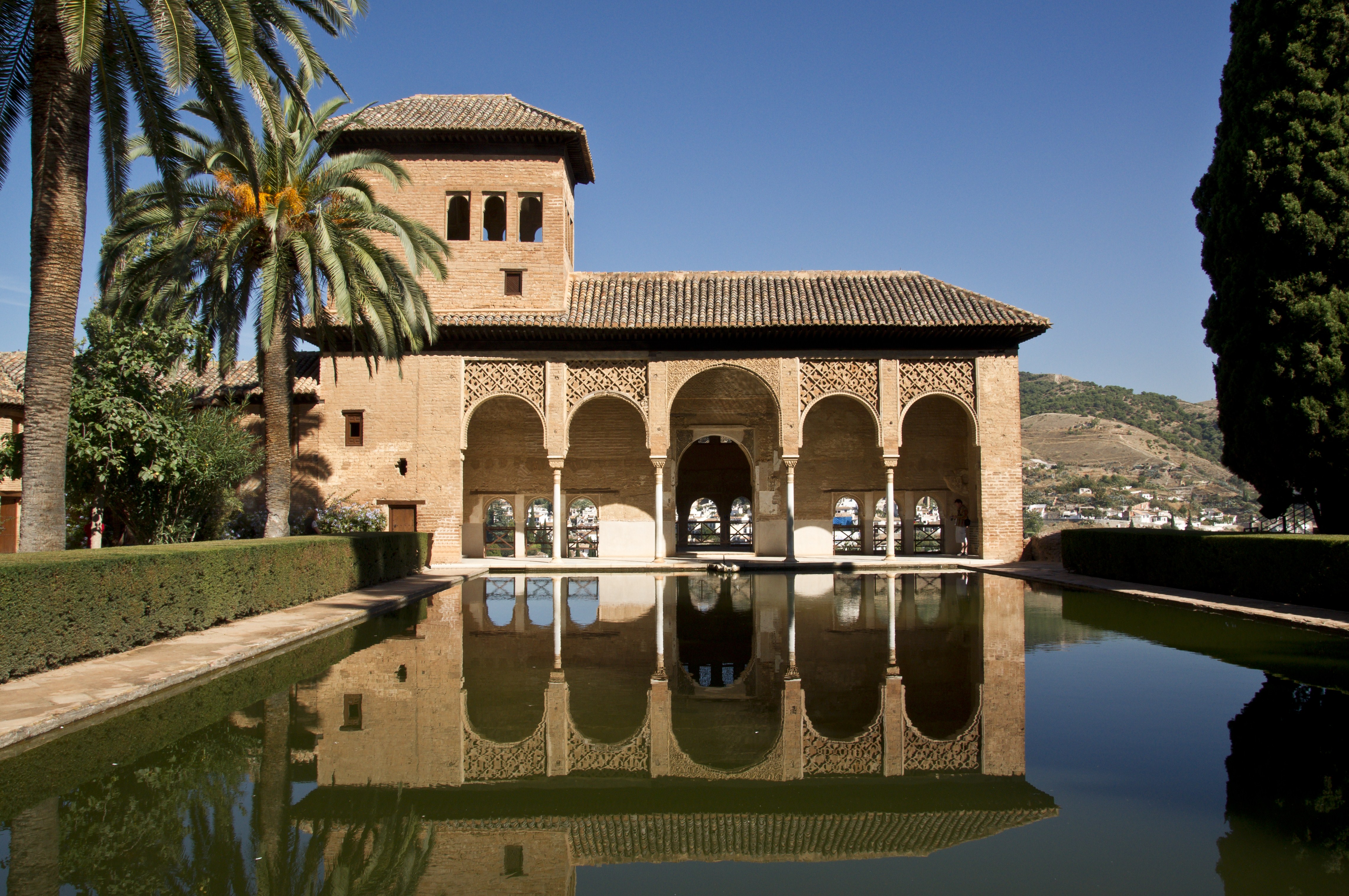
Andalusian Coast and the Costa del Sol
The southern Mediterranean coast — stretching from Almería through Málaga to Gibraltar — benefits from the highest sunshine hours in continental Europe. Málaga averages around 300 sunny days per year. The mountains immediately behind the coast, including the Sierra Nevada and Sierra de las Nieves, create a micro-shield against cold northern winds, keeping coastal temperatures exceptional even by Spanish Mediterranean standards.
Gibraltar, at the western end of the Mediterranean, experiences a variant affected by the Atlantic — wetter and slightly cooler than the Costa del Sol to its east, with the famous Levante and Poniente winds creating rapidly changing conditions around the Rock.
Sunshine Hours and Daylight
The Mediterranean coast is among the sunniest regions in Europe. Alicante records approximately 3,000 sunshine hours annually — among the highest in Spain. Barcelona receives around 2,500 hours. In practical terms, this means even winter months see 5–6 hours of daily sunshine, making the coast attractive for sun-seeking visitors year-round.
Best Periods to Visit
For travel along the Mediterranean coast, the most comfortable periods depend on preferences:
- May–June: Warm, with low crowds and sea temperatures reaching swimming level by June along southern sections. Shoulder pricing applies to most destinations.
- July–August: Peak heat and peak tourist activity. Beach conditions are optimal but cities like Seville and Granada can be overwhelming without acclimatisation to extreme heat. Coastal areas are crowded.
- September–October: Sea temperatures remain high from summer accumulation. Fewer crowds than August. Autumn rain risk increases after mid-October, particularly in Valencia.
- November–March: The coast remains milder than most of Europe. Suitable for city exploration, hiking, and culture. Sea temperatures are cold for swimming but coastal weather stays pleasant by northern European standards.
External reference: Wikipedia — Climate of Spain provides a comprehensive overview of Köppen classifications across the peninsula.